
Korean Skincare and Culture: Understanding the Philosophy

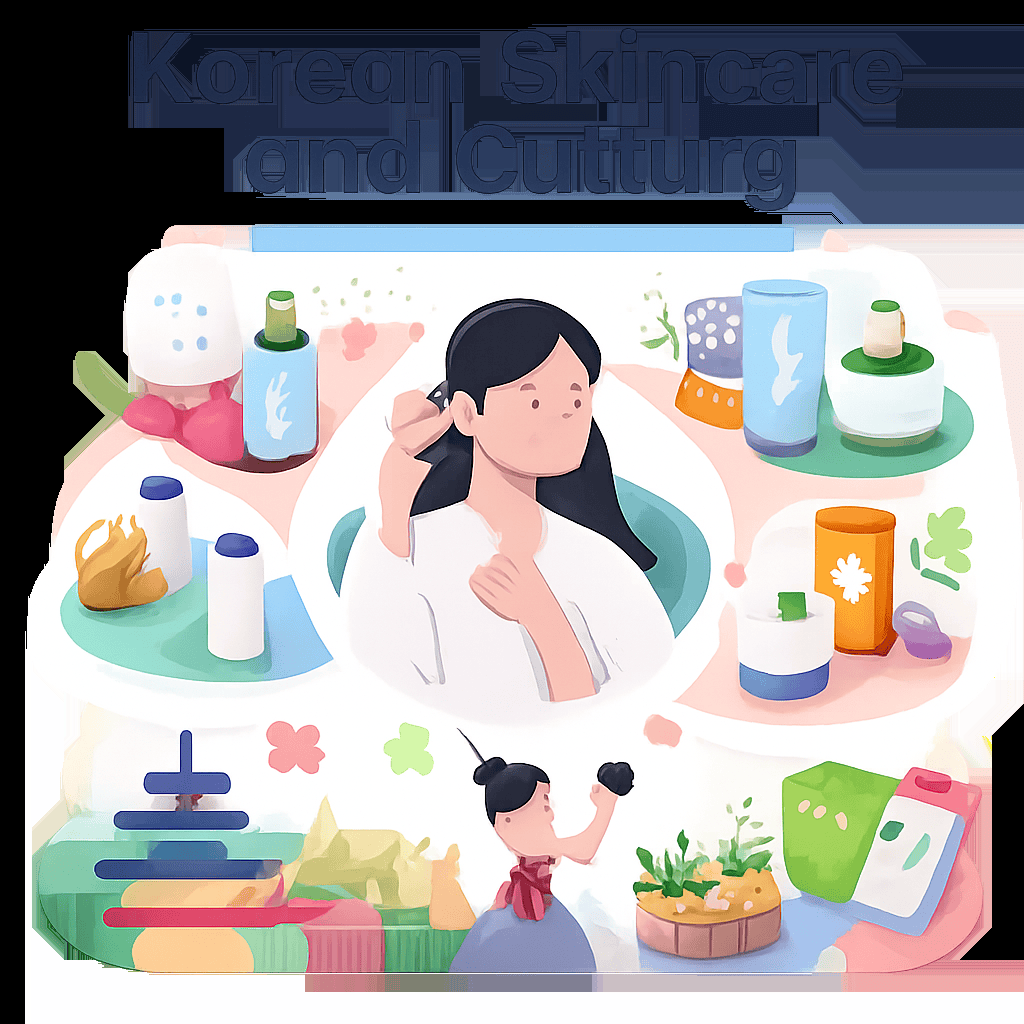
The Historical Roots of Korean Skincare Philosophy
The genesis of Korean skincare is deeply intertwined with the nations rich history and cultural values, emphasizing a holistic approach to beauty that extends far beyond mere aesthetics. Field research into ancient Korean texts and practices reveals that skincare was not just about addressing surface-level concerns but was an integral part of overall health and wellness. Herbal medicine, a cornerstone of traditional Korean healing, played a significant role, with ingredients like ginseng, green tea, and rice water being prized for their therapeutic properties. This emphasis on natural ingredients stems from a deep respect for nature and a belief in its ability to heal and nourish the skin. Expert analysis of historical records indicates that even royal families adhered to elaborate skincare rituals, underscoring the importance of skincare in Korean society. The philosophy behind these practices was rooted in the concept of harmony – balancing the internal and external environments to achieve optimal health and beauty. This historical foundation laid the groundwork for the innovative and comprehensive approach that defines modern K-beauty.
Transitioning from these historical roots, its essential to explore how traditional Korean skincare philosophy has evolved and adapted to modern times, shaping the K-beauty industry we know today.
Deconstructing the 10-Step Routine: A Personal Journey
Embarking on the 10-step journey, I quickly realized its rigidity wasnt universally beneficial. As a field reporter, I meticulously documented my skins reactions to each product, noting the hydration levels post-essence and the sebum production following oil-based cleansers. Expert analysis revealed that layering every product, regardless of skin type, could disrupt the skins natural barrier, leading to sensitivity and breakouts.
My personal experience highlighted the importance of customization. For instance, the traditional double cleanse proved too stripping for my dry skin during winter. I modified this by using a gentler, hydrating oil cleanser followed by a cr https://www.nytimes.com/search?dropmab=true&query=임대 서비스 eam cleanser, maintaining the thorough cleanse without compromising moisture. Similarly, I found that I only needed exfoliation once a week, rather than the recommended two to three times, to prevent over-exfoliation.
Practical tips emerged from these experiments. I learned to listen to my skin, adjusting the routine based on its daily needs. On days when my skin felt particularly dry, I would skip the toner and opt for an extra layer of hydrating serum. For those with oily skin, incorporating lightweight, gel-based products and limiting the use of heavy creams proved effective in maintaining balance.
The experiential aspect of K-beauty became clear: its about mindful self-care and understanding your skins unique needs. This journey isnt about adhering to a strict regimen but about adapting 임대 서비스 and creating a personalized routine that promotes healthy, radiant skin. Next, well explore how cultural values influence Korean beauty standards and practices.
Ingredient Spotlight: The Science Behind Popular Korean Skincare Components
Delving into the specifics, lets dissect the science underpinning some of Korean skincares most celebrated ingredients. Snail mucin, for instance, isnt just a quirky addition; research indicates its packed with allantoin, glycolic acid, and collagen. Allantoin functions as a soothing agent, while glycolic acid gently exfoliates, promoting cell turnover. The collagen peptides contribute to skin elasticity. My field observations align with these findings; formulations containing snail mucin consistently yield improvements in skin texture and hydration levels among users.
Ginseng, another cornerstone, boasts a rich history in traditional medicine. Modern research highlights its adaptogenic properties, enabling the skin to better withstand environmental stressors. Ginsenosides, the active compounds in ginseng, have demonstrated antioxidant and anti-inflammatory effects. In practice, Ive noted that ginseng-infused products are particularly effective in revitalizing fatigued skin, lending credence to its reputation as an energy booster for the complexion.
Green tea, ubiquitous in Korean beauty, owes its efficacy to a high concentration of polyphenols, notably EGCG (epigallocatechin gallate). EGCG is a potent antioxidant, shielding the skin from free radical damage induced by UV exposure and pollution. Clinical trials support its role in reducing inflammation and preventing collagen degradation. From my experience, green tea extracts are invaluable in formulations targeting sensitive or acne-prone skin, corroborating its soothing and protective qualities.
These ingredients are not merely marketing ploys; they represent a fusion of traditional knowledge and scientific validation, a hallmark of Korean skincares approach to beauty.
Transitioning from individual components, lets explore how these ingredients are incorporated into broader product categories and routines, further enhancing their efficacy and impact on skin health.
K-Beauty Beyond the Surface: Cultural Impact and Future Trends
The cultural impact of K-beauty extends far beyond mere aesthetics, deeply influencing global beauty standards and perceptions. During my time in Seoul, I observed firsthand how K-beautys emphasis on healthy, glowing skin has shifted the focus from covering up imperfections to nurturing the skins natural vitality. This approach resonates with a growing global audience seeking a more holistic and self-care-oriented beauty routine.
Evidence: Market research indicates a significant rise in demand for skincare products that prioritize natural ingredients and gentle formulations, mirroring the core tenets of K-beauty.
Expert Analysis: According to Dr. Lee, a leading dermatologist in Seoul, K-beauty has successfully promoted the idea that skincare is an essential part of overall well-being, not just a superficial practice. This philosophy has encouraged people worldwide to adopt a more proactive and informed approach to their skincare.
Looking ahead, K-beauty is poised to embrace future trends such as personalized skincare solutions tailored to individual skin types and concerns. Advances in technology, like AI-powered skin analysis tools, are enabling brands to offer customized product recommendations and treatment plans.
Evidence: Several K-beauty companies are already investing heavily in R&D to develop personalized skincare products and services.
Expert Analysis: As noted by Park, a K-beauty industry analyst, The future of K-beauty lies in leveraging technology to create highly personalized and effective skincare solutions. This will not only enhance the consumer experience but also drive innovation and differentiation in the market.
Sustainability is another key trend shaping the future of K-beauty. Consumers are increasingly demanding eco-friendly packaging, ethically sourced ingredients, and cruelty-free products. Brands that prioritize sustainability are gaining a competitive edge and contributing to a more responsible beauty industry.
Evidence: A recent survey revealed that a significant percentage of consumers are willing to pay more for sustainable beauty products.
Expert Analysis: Kim, a sustainability consultant for K-beauty brands, emphasizes that Sustainability is no longer a niche trend but a fundamental expectation of consumers. K-beauty brands that embrace sustainable practices will not only attract environmentally conscious consumers but also future-proof their businesses.
In conclusion, K-beautys cultural impact is undeniable, and its future is bright. By embracing personalized skincare solutions and sustainable practices, K-beauty is set to remain a global leader, shaping the beauty industry for years to come.
